One of the most common questions homeowners ask about their roof is, “How long should it last?”
Unfortunately, there isn’t one lifespan that applies to every roof.
The type and quality of roofing material matter, but so do installation, roof design, ventilation, exposure to sun and moisture, surrounding trees, maintenance, storm damage, and the condition of the underlying roofing system.
Two roofs made from similar materials and installed at roughly the same time can develop very different conditions.
Instead of relying only on the age of a roof, homeowners should consider both how old the roofing system is and what condition it is actually in.
Understanding the warning signs can help you determine when continued maintenance or roof repair makes sense and when it may be time to consider a complete replacement.
Roof Lifespan Depends on More Than the Material
Roofing materials have different performance characteristics, but broad lifespan numbers can be misleading.
A roof’s service life can be affected by:
- Roofing product and material quality
- Installation quality
- Roof slope and design
- Flashing
- Underlayment
- Attic conditions
- Ventilation
- Sun exposure
- Moisture
- Tree coverage
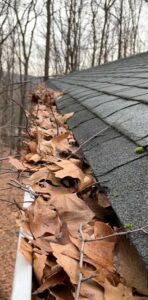
- Moss and organic debris
- Storm damage
- Maintenance
- Previous repairs
Manufacturer warranty length should also not automatically be interpreted as the expected lifespan of a completed roof.
A roofing product may carry lengthy warranty coverage while individual portions of that warranty have different terms, exclusions, or coverage periods.
The most useful way to evaluate an existing roof is to consider its age together with its present condition.
How Long Do Asphalt Shingle Roofs Last?
It is better to evaluate the specific asphalt shingle product and roof than to assume every shingle roof should last a particular number of years.
Asphalt shingles are available in different grades and product lines, and their performance can be affected substantially by installation and conditions around the home.
As an asphalt roof ages, homeowners may notice changes such as:
- Granule loss
- Cracking
- Missing shingles
- Lifted or damaged shingles
- Changes in appearance
- Previous repair areas
- Deteriorated flashing
None of these observations individually proves that the entire roof needs replacement.
For example, asphalt shingle roofing systems can often be repaired when damage is localized and suitable replacement materials are available.
The overall condition of the roof is what matters.
You can learn more about the advantages and disadvantages of asphalt shingles when comparing them with other roofing materials.
How Long Does a Cedar Roof Last?
Cedar roofing requires a different evaluation from asphalt shingles.
The Cedar Shake & Shingle Bureau states that the lifespan of cedar roofing can vary based on factors including:
- Product quality
- Installation
- Climate
- Maintenance
- Roof exposure
- Overhanging trees
- Foot traffic
The organization gives approximately 30 to 40 years as an average lifespan for cedar roofing while specifically cautioning that actual service life depends on these conditions.
Maintenance is particularly important with cedar.
Leaves, needles, dirt, and other debris can retain moisture, and cedar roofing needs an opportunity to dry.
As cedar ages, a professional may evaluate conditions such as widespread splitting, curling, cupping, weathering, deterioration around flashing, or signs of moisture affecting the roofing system.
An older cedar roof does not automatically need replacement simply because it has reached a particular birthday.
What About Metal Roofing?
Metal roofing is often chosen by homeowners interested in long-term durability.
Metal roofing systems are available in different metals, coatings, panel designs, fastening systems, and installation configurations, so it is difficult to assign one lifespan to every metal roof.
Industry guidance indicates that properly designed and installed metal roofing systems can provide long service lives, but actual performance depends on the specific system and environmental conditions.
A metal roof should still be periodically evaluated for issues such as:
- Damaged panels
- Problems around penetrations
- Flashing deterioration
- Fastener issues on systems that use exposed fasteners
- Sealant deterioration where sealants are part of the assembly
- Storm or impact damage
- Corrosion where conditions allow it to occur
The fact that metal roofing may have long-term durability does not eliminate the need for correct installation and periodic observation.
What About Clay and Concrete Tile?
Clay and concrete roof tiles can be very durable roofing materials.
The Tile Roofing Industry Alliance states that properly installed clay and concrete tile roofing can provide exceptionally long service life.
However, the tile itself is not the only component that matters.
A tile roofing system also includes underlayment, flashing, fastening components, roof penetrations, and supporting construction.
Individual tiles can also become cracked or damaged.
Because clay and concrete tile are heavy materials, the structure must be appropriate for the roofing system. A homeowner considering switching from a lighter material to tile should not assume the existing structure is automatically suitable.
What About Slate Roofing?
Natural slate has a reputation for very long service life, but slate roofing is also a specialized roofing system.
The quality and type of slate, installation, flashing, fasteners, underlying construction, and maintenance can all affect performance.
As with tile, the visible slate may not be the only component that determines whether an older roofing system needs work.
A specialist familiar with slate roofing may be appropriate when evaluating an existing slate roof.
Roof Age Alone Does Not Tell You When to Replace It
A roof does not automatically fail when it reaches a certain age.
Likewise, a relatively new roof can develop problems if it was improperly installed, damaged by weather, or affected by another condition.
Age becomes most useful when considered alongside what you are seeing on the roof.
An older roof that remains serviceable and has only an isolated repairable problem may not require immediate replacement.
An older roof with widespread deterioration, recurring leaks, damaged flashing, and multiple previous repairs presents a very different situation.
The question should be:
What condition is the entire roofing system in now?
Signs Your Roof Should Be Professionally Evaluated
Certain conditions deserve a closer look.
Missing or Damaged Roofing Materials
Missing shingles, broken tiles, damaged metal panels, or other missing roofing materials can expose portions of the roofing system to weather.
Localized damage may be repairable, but widespread damage requires a broader evaluation.
Recurring Roof Leaks
One isolated leak does not automatically mean the entire roof has failed.
However, recurring leaks or leaks appearing in multiple locations can indicate that the roofing system has broader problems.
The source should be identified rather than repeatedly applying sealant to the visible symptom.
Damaged or Deteriorated Flashing
Flashing helps manage water at some of the most vulnerable areas of a roof, including:
- Chimneys
- Valleys
- Skylights
- Roof-to-wall intersections
- Plumbing penetrations
- Other roof transitions
A roof can develop leaks even when the majority of the roofing material appears to be in reasonable condition if flashing has failed.
Widespread Roofing Deterioration
A few damaged shingles may be repairable.
Widespread cracking, significant deterioration, numerous damaged areas, or roofing materials that have become difficult to repair may indicate that replacement deserves consideration.
Damaged Roof Decking
Roof decking provides the surface supporting the roofing system.
When accessible decking shows significant moisture deterioration, rot, delamination, or other damage, the cause needs to be identified and the affected material evaluated.
Installing new roofing over deteriorated decking does not solve the underlying problem.
Moss Does Not Automatically Mean You Need a New Roof
Moss is common on roofs that remain damp or shaded, particularly where environmental conditions support its growth.
Heavy moss should be addressed, but the presence of moss alone does not prove that the roof needs replacement.
After appropriate roof cleaning and moss removal, the roofing material can be evaluated for actual damage.
Depending on what is found, the roof may need:
- No additional work
- Continued maintenance
- Localized repair
- More extensive repair
- Replacement
The recommendation should be based on the condition of the roofing underneath, not simply on how much moss was visible.
Granules in the Gutters Don’t Automatically Mean the Roof Is Failing
Asphalt shingles are surfaced with mineral granules.
Some newly installed shingles may shed excess granules from manufacturing, so seeing some granules in a gutter does not automatically indicate a problem.
Granule loss deserves more attention when it is excessive or is accompanied by other visible deterioration, such as exposed asphalt, cracking, damaged shingles, or widespread changes in the roofing surface.
The overall condition matters more than the presence of a few loose granules.
What Can You Learn by Looking in the Attic?
The attic can sometimes reveal roofing or moisture problems before they become obvious inside the living space.
If the attic can be accessed safely, watch for:
- Water stains
- Wet or damp insulation
- Darkened roof decking
- Visible deterioration
- Moisture around penetrations
- Signs of active leaking
However, not every attic moisture problem is an exterior roof leak.
Warm, moist air leaking into the attic from the house, improperly terminated exhaust ducts, inadequate air sealing, or ventilation issues can also contribute to moisture problems.
ENERGY STAR specifically recommends having wet insulation, roof leaks, moldy or rotted framing, improperly vented exhaust ducts, and ventilation problems evaluated before proceeding with attic insulation work.
A Roof Leak Can Affect More Than the Roofing Material
When water enters a roofing system, the resulting damage may extend beyond the visible roof covering.
Depending on the extent and duration of the leak, moisture can affect:
- Roof decking
- Insulation
- Framing
- Drywall
- Interior finishes
This is one reason roof leaks should be investigated rather than simply monitored indefinitely.
However, it would be inaccurate to say that replacing a roof automatically improves energy efficiency.
If insulation has become wet or other attic problems are present, those conditions need to be evaluated separately and corrected appropriately.
Repair or Replace: How Do You Decide?
A professional evaluation should distinguish between a roof that has an isolated problem and one experiencing widespread deterioration.
Repair May Make Sense When:
- Damage is localized
- Surrounding roofing remains serviceable
- Compatible repair materials are available
- The source of the problem can be corrected
- Widespread deterioration is not present
Replacement May Deserve Consideration When:
- Deterioration is widespread
- Leaks continue appearing in different locations
- Significant portions of the roofing material are damaged
- Previous repairs are no longer providing a practical solution
- The existing roofing system has multiple significant problems
- Necessary repairs cannot be properly integrated with the existing roofing
There is no formula that says a roof of a particular age must automatically fall into one category.
Don’t Replace a Roof Solely Because of Its Age
The age of a roof is useful information, but it should not be the sole basis for recommending replacement.
Before replacing an older roof, homeowners should understand:
- What problems actually exist
- Whether those problems are localized or widespread
- Whether repairs are practical
- The condition of the surrounding roofing
- Whether flashing or drainage issues are contributing
- What condition is visible beneath the roofing where accessible
- Whether replacement provides a meaningful advantage over continued repair
A roofing contractor should be able to explain why replacement is being recommended.
Don’t Keep Repairing a Roof Solely Because Repair Is Cheaper Today
The opposite mistake is also possible.
Repeatedly repairing different areas of a substantially deteriorated roof can eventually become poor value.
If leaks keep developing in new locations or significant portions of the system are deteriorating, homeowners should compare the cost and expected usefulness of continued repairs with a complete roof replacement.
The least expensive option today is not necessarily the most sensible long-term choice.
Local Conditions Can Affect How a Roof Ages
Two identical roofing products can experience different conditions depending on the property.
For example, a roof surrounded by mature trees may receive more shade and organic debris than an open roof.
Roof orientation can affect sunlight exposure. Wind exposure can differ from one property to another. Valleys and complicated rooflines may collect more debris than simple roof designs.
For homeowners with properties in and around Portland, these property-specific differences are a good reason not to rely solely on generalized roofing lifespan charts.
The same principle applies to J&J customers across the Vancouver area: the condition of the individual roof tells us more than an age estimate alone.
Should You Inspect the Roof Yourself?
Homeowners can observe many roofing conditions safely from the ground.
Binoculars can help you look for:
- Missing roofing materials
- Damaged shingles
- Moss
- Fallen branches
- Visible flashing problems
- Changes after a storm
Homeowners should be cautious about climbing onto roofs themselves.
Steep, wet, moss-covered, damaged, or aging roofing surfaces can create serious fall hazards and may also be damaged by improper foot traffic.
If the condition cannot be evaluated safely from the ground or attic, having a professional inspect it is the safer approach.
Questions to Ask When a Roofer Recommends Replacement
If you’re told you need a new roof, ask:
- What specific problems did you find?
- Can you show me the damaged areas?
- Is the deterioration localized or widespread?
- Is repair possible?
- If repair is possible, why are you recommending replacement instead?
- What is the condition of the flashing?
- Are there signs of decking damage?
- Does the attic show evidence of moisture?
- Are suitable repair materials still available?
- What roofing system are you recommending?
- What is included in the replacement proposal?
- What warranties apply?
These questions help separate a recommendation based on actual roof conditions from one based mainly on age.
When Is It Time to Replace Your Roof?
There is no universal age at which every roof needs to be replaced.
The better approach is to consider:
Age + material + installation + environment + maintenance + current condition.
An older roof in good condition may still have useful service remaining.
A younger roof with widespread problems may require significant work much sooner than expected.
Knowing approximately when the roof was installed is valuable, but periodically evaluating its condition is more useful than counting down to an arbitrary replacement date.
If you notice recurring leaks, widespread roofing deterioration, storm damage, damaged flashing, or other concerning changes, J&J Roofing & Construction can evaluate the roofing system and explain whether roof repair, maintenance, or replacement is appropriate based on what is actually present.