Some roofing problems are easy to spot. Others can develop quietly for months before a homeowner notices a ceiling stain, damaged shingle, or damp area in the attic.
Knowing when to call a professional roofer can help prevent a relatively small problem from turning into damage involving roof decking, insulation, drywall, siding, or structural components.
For homeowners in the Pacific Northwest, where roofs regularly deal with rain, wind, moisture, moss, and falling debris, it is especially important to address roofing problems before water has an opportunity to spread.
Here are some of the clearest signs that your roof should be professionally inspected.
You Have Water Stains or an Active Roof Leak
Water appearing inside the home is one of the strongest indications that something in the roofing system has failed.
Signs may include:
- Brown or yellow stains on ceilings
- Damp drywall
- Water dripping during rain
- Wet attic insulation
- Darkened roof decking
- Moisture around chimneys, vents, or skylights
The location of the stain does not always identify the point where water is entering.
Water can travel along roof decking, framing, pipes, or other materials before it becomes visible inside the home. That is why simply sealing the area directly above a ceiling stain does not always solve the problem.
A professional roof repair inspection should focus on identifying the actual source of the water intrusion before determining the appropriate repair.
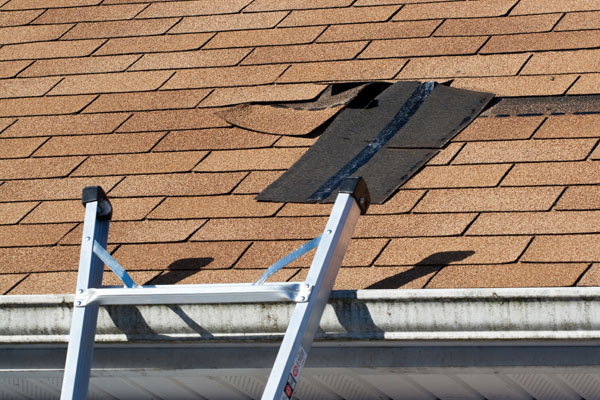
Shingles Are Missing, Cracked, Loose, or Damaged
A few visibly damaged shingles may look like a minor problem, but shingles are part of a larger weather-resistant roofing system.
Wind, falling branches, improper installation, age, and foot traffic can all damage shingles.
Watch for:
- Missing shingles
- Lifted or curled edges
- Cracked shingles
- Exposed fasteners
- Shingles that have slipped out of position
- Large areas of granule loss
- Damage following a windstorm
Not every damaged shingle means the entire roof needs replacement. If the surrounding roof is still in good condition, localized repair may be possible.
The important question is whether the damage is isolated or part of a broader roofing problem.
Flashing Is Loose, Damaged, or Missing
Flashing protects some of the most vulnerable areas of a roof.
It is commonly used around:
- Chimneys
- Skylights
- Roof-to-wall intersections
- Valleys
- Plumbing vents
- Other roof penetrations
When flashing becomes damaged, corroded, displaced, or improperly sealed, water may enter underneath the roofing material.
These leaks can be difficult to diagnose because the visible roofing surface may still appear intact.
Repeatedly applying caulk or roofing cement around the area can also conceal the problem without correcting the underlying failure.
If you notice moisture near a chimney, wall, skylight, or roof penetration, having the flashing inspected is usually worthwhile.
Your Roof Appears to Be Sagging
A roofline should generally appear straight and consistent.
A noticeable depression, dip, or sagging area deserves professional evaluation because it can indicate problems involving the roof decking, framing, prolonged moisture exposure, or other structural components.
The cause cannot be determined from appearance alone.
If you notice a significant change in the roofline, avoid climbing onto the affected area and have it evaluated by a qualified professional.
You Find Soft or Damaged Roof Decking
Roof decking provides the structural surface beneath the roofing materials.
When water repeatedly reaches the decking, the wood can deteriorate.
Homeowners may notice this from inside the attic as:
- Dark staining
- Water marks
- Mold-like growth
- Delaminated plywood
- Soft or deteriorated wood
- Rusted roofing fasteners
- Daylight where it should not be visible
Damaged decking should be addressed because installing new roofing over deteriorated material does not correct the underlying problem.
During a roof replacement, damaged sections of decking can be identified and repaired before the new roofing system is installed.
You Keep Repairing the Same Leak
A leak that repeatedly returns is a strong sign that the actual cause may not have been corrected.
Temporary patching can sometimes stop water briefly, but recurring leaks may indicate a problem with:
- Flashing
- Underlayment
- Roof penetrations
- Valleys
- Chimney details
- Roof-to-wall transitions
- Previous installation
- Deteriorated roofing materials
Repeated applications of sealant or roofing cement can also make future diagnosis more difficult.
If the same area has been patched more than once, a more thorough inspection usually makes more sense than another surface repair.
Moss or Debris Has Begun Affecting the Roof
Moss is particularly common on roofs in western Washington and Oregon because of the region’s wet climate, tree coverage, and extended periods of shade.
A small amount of surface growth does not necessarily mean a roof is failing. However, heavy moss can trap moisture and interfere with drainage around shingles and other roofing components.
Branches, leaves, needles, and other organic debris can cause similar problems when they accumulate in valleys, behind chimneys, or near drainage areas.
Regular roof cleaning and maintenance can help identify these conditions before they contribute to more significant roofing problems.
Homeowners should also avoid aggressive pressure washing or scraping methods that can damage roofing materials.
You Notice Problems After a Storm
Strong wind, falling branches, hail, and heavy rain can damage a roof even when the problem is not immediately visible from the ground.
After significant weather, look for:
- Missing shingles
- Lifted roofing materials
- Damaged flashing
- Branch impact
- Debris accumulation
- Gutter damage
- Water stains inside the home
Properties with mature trees may be particularly vulnerable to branch damage and debris.
For homeowners who need roofing service in Vancouver or the surrounding area, storm-related inspections can be especially useful after periods of high wind and sustained rain.
The same applies to homes throughout the Portland area, where wet-season storms can expose weaknesses around flashing, valleys, penetrations, and aging roofing materials.
Your Roof Is Getting Older and Problems Are Appearing
Roof age by itself does not determine whether replacement is necessary.
Two roofs installed at the same time can age very differently depending on:
- Roofing material
- Installation quality
- Ventilation
- Sun exposure
- Tree coverage
- Maintenance
- Roof slope
- Weather exposure
- Previous repairs
However, an older roof that begins developing multiple leaks, widespread shingle damage, deteriorated flashing, or decking problems deserves a more comprehensive evaluation.
In some situations, repairing an isolated problem still makes sense. In others, repeatedly repairing an extensively deteriorated roof may provide poor long-term value.
Our guide to the signs that a roof may need replacement explains some of the factors homeowners should consider.
When Is a Roof Repair a DIY Project?
Homeowners can safely handle some basic roofing-related maintenance from the ground, such as keeping nearby vegetation trimmed or watching for visible changes to the roof.
Climbing onto a roof is different.
Roof work involves fall hazards, and wet, mossy, steep, or damaged roofing surfaces can be particularly dangerous.
Professional evaluation is usually appropriate when the problem involves:
- Active leaking
- Flashing
- Roof penetrations
- Missing roofing materials
- Structural concerns
- Storm damage
- Chimneys
- Skylights
- Roof decking
- Repeated leaks
Even a repair that looks simple from the ground may require lifting roofing materials and properly integrating the repair with the surrounding system.
What Should a Professional Roof Inspection Include?
A useful roof inspection should do more than identify the most obvious damaged shingle.
Depending on the problem, the roofer may examine:
- Roofing materials
- Flashing
- Valleys
- Chimneys
- Skylights
- Plumbing and roof vents
- Roof-to-wall connections
- Gutters and roof edges
- Attic ventilation
- Roof decking
- Previous repair areas
- Evidence of moisture inside the attic
The objective should be to determine why the problem occurred, not simply where the symptom appeared.
That distinction is particularly important with leaks.
What Should You Expect From a Roof Repair Estimate?
Once the problem has been identified, the contractor should be able to explain the recommended repair and why it is necessary.
A useful estimate should make clear:
- What area is being repaired
- What roofing components are affected
- What materials will be used
- Whether damaged decking is suspected
- Whether additional problems could be discovered after materials are removed
- What warranty applies to the repair
Some repairs cannot be completely evaluated until the roofing materials are opened because hidden water damage may exist underneath.
A contractor should explain that possibility rather than automatically assuming every repair will remain exactly within the initial visible area.
How to Choose a Roofing Contractor for Repairs
The quality of the repair depends heavily on the contractor performing the work.
Before hiring a roofer, consider the following.
Licensing and Insurance
Confirm that the contractor meets applicable licensing and insurance requirements for the area where the work will be performed.
Homeowners should be able to verify the company’s credentials rather than relying only on a statement in an advertisement.
Roofing Experience
Roof repair requires diagnostic ability as well as installation skill.
An experienced contractor should understand how roofing materials, flashing, ventilation, drainage, penetrations, and roof construction work together.
This becomes particularly important when diagnosing intermittent or recurring leaks.
Local Experience
A roofing contractor familiar with Southwest Washington and Northwest Oregon should understand the conditions local roofs regularly encounter.
Rain, moss, shade, tree debris, wind, and prolonged moisture exposure can all influence roof performance.
Local experience can be especially valuable when determining whether a particular problem is unusual or something frequently seen on homes in the region.
Reviews and Reputation
Customer reviews can help homeowners identify patterns involving:
- Communication
- Reliability
- Quality of workmanship
- Cleanup
- Scheduling
- Problem resolution
Instead of relying on a single review, look for consistency across many customer experiences.
Repair and Workmanship Warranties
Ask what warranty applies specifically to the repair.
Material warranties and contractor workmanship warranties are different types of coverage, so homeowners should understand what is included before approving the work.
Repair or Replace: Which Makes More Sense?
Not every roof leak requires a new roof.
A professional roofer should consider the condition of the entire roofing system before recommending replacement.
Repair may make sense when:
- Damage is localized
- The surrounding roofing remains serviceable
- The roof has not developed widespread problems
- Compatible materials are available
- The repair can be properly integrated with the existing system
Replacement may deserve consideration when problems are widespread, roofing materials have substantially deteriorated, leaks continue to appear in different areas, or repairing one section is unlikely to address the larger condition of the roof.
The objective should be to choose the solution that makes sense for the condition of the roof rather than automatically choosing either the least expensive repair or a complete replacement.
Why Timely Roof Repairs Matter
Roof problems rarely improve on their own.
Water that enters through a small roofing defect can eventually reach insulation, decking, framing, drywall, or other building materials.
Addressing a problem earlier may limit the amount of material affected and make the repair more manageable.
That does not mean every minor imperfection represents an emergency. It means homeowners should investigate changes rather than allowing an unexplained leak, damaged flashing, or missing roofing material to remain indefinitely.
Know When to Have the Roof Inspected
If you notice a recurring leak, damaged shingles, deteriorated flashing, roofline changes, storm damage, or unexplained attic moisture, a professional inspection can help determine what is actually happening.
The most important part of a successful roof repair is identifying the source of the problem and correcting it properly.
J&J Roofing & Construction provides professional roof repair services throughout Southwest Washington and the Portland metro area and can evaluate whether a roofing problem is best addressed through repair, maintenance, or replacement.