Asphalt shingles are the most common type of residential steep-slope roofing used in the United States. Their popularity comes from a combination of affordability, availability, style options, and compatibility with many residential roof designs.
That does not mean asphalt shingles are automatically the best roofing material for every home.
Homeowners should consider the cost of the complete roofing system, product quality, local weather exposure, maintenance requirements, appearance, warranty coverage, and installation quality before choosing a material.
If you’re planning a roof replacement, understanding the advantages and disadvantages of asphalt shingles can help you decide whether they are appropriate for your home.
What Are Asphalt Shingles?
Modern fiberglass asphalt shingles are typically manufactured with a fiberglass mat coated with asphalt and surfaced with mineral granules.
The granules provide color while also helping protect the asphalt from exposure to sunlight and weather.
Residential asphalt shingles are available in several styles. Traditional three-tab shingles have a relatively flat appearance, while architectural or dimensional shingles use multiple layers or different construction techniques to create greater visual depth.
Manufacturers also offer shingles with different performance characteristics, colors, profiles, and warranty options.
Because products vary, homeowners should compare specific shingle lines rather than assuming every asphalt shingle provides the same level of performance.
Advantages of Asphalt Shingles
Asphalt Shingles Are Generally an Affordable Roofing Option
One of the main reasons homeowners choose asphalt shingles is cost.
Compared with many specialty roofing systems, asphalt shingles generally provide a lower-cost entry point for a residential roof replacement.
However, the shingle itself is only one part of the total project price.
The final cost of a new roof can also depend on:
- Roof size
- Roof pitch
- Roof complexity
- Removal of existing roofing
- Condition of the roof decking
- Flashing requirements
- Ventilation work
- Number of roof penetrations
- Product selection
- Labor requirements
When comparing roofing estimates, homeowners should look at the complete roofing system rather than comparing only the price of the shingles.
Asphalt Shingles Come in Many Styles and Colors
Asphalt shingles are available in a broad range of colors and profiles.
Architectural shingles can provide more dimension than traditional three-tab shingles, allowing homeowners to choose a roof that complements the siding, trim, masonry, and architectural style of the house.
The wide range of available products is one reason asphalt roofing works with many types of residential architecture.
Color should not be the only consideration, however. Product specifications, warranty coverage, installation requirements, and suitability for the particular roof are also important.
Asphalt Shingles Work on Many Residential Roof Designs
Asphalt shingles are suitable for many residential steep-slope roofing applications when installed according to the roofing manufacturer’s requirements.
They are widely available, and roofers are familiar with the installation methods and components required for asphalt roofing systems.
Another practical advantage is that individual damaged areas may sometimes be repaired without replacing the entire roof, depending on the condition of the surrounding roofing and the availability of compatible materials.
Localized Asphalt Shingle Repairs May Be Possible
Damage to several shingles does not automatically mean the entire roof needs replacement.
A professional roof repair may be appropriate for isolated problems such as:
- Missing shingles
- Wind-damaged shingles
- Localized flashing problems
- Damage around roof penetrations
- Certain small leak areas
- Limited storm damage
Whether a repair makes sense depends on the source and extent of the problem, the condition of the surrounding roofing, and whether the repair can be properly integrated into the existing roof.
Recurring leaks, widespread deterioration, or numerous damaged areas may require a more comprehensive evaluation.
Asphalt Shingles and Pacific Northwest Conditions
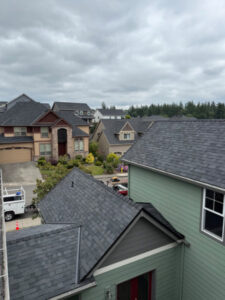
Asphalt shingles are commonly seen on homes throughout Southwest Washington and Northwest Oregon.
Local roofs can be exposed to extended periods of moisture, shade, organic debris, moss, algae, and seasonal wind and rain. These conditions make installation, drainage, ventilation, and maintenance important regardless of the specific asphalt shingle selected.
For homeowners considering roofing in Vancouver, the performance of the roof depends on more than the visible shingles. Flashing, underlayment, valleys, roof penetrations, drainage components, and attic conditions all contribute to how effectively the roofing system protects the home.
The same applies to homes throughout the Portland area, where homeowners should consider the entire roof assembly rather than choosing a product based only on appearance or price.
Disadvantages of Asphalt Shingles
Asphalt shingles offer several practical advantages, but they also have limitations that should be considered before selecting them.
Different Roofing Materials Have Different Service-Life Expectations
It is difficult to assign one accurate lifespan to every asphalt shingle roof.
Service life can be affected by many variables, including:
- Shingle product
- Installation quality
- Roof design
- Sun exposure
- Moisture
- Tree coverage
- Ventilation
- Maintenance
- Storm damage
- Condition of the underlying roof structure
Different roofing systems also have different expected service lives, costs, installation requirements, and maintenance needs.
For that reason, homeowners should avoid choosing a roof based solely on a generalized lifespan claim.
Manufacturer warranty length also should not automatically be interpreted as the guaranteed life of a completed roofing system. Homeowners should review what a particular warranty actually covers.
Wind and Severe Weather Can Damage Asphalt Shingles
Asphalt shingles can be damaged by high winds, falling branches, hail, and other severe weather conditions.
The risk and type of damage can depend on the roofing product, installation, condition of the roof, and severity of the event.
After a strong storm, homeowners can look from the ground for signs such as:
- Missing shingles
- Lifted shingle edges
- Creased or visibly damaged shingles
- Exposed roofing materials
- Damaged flashing
- Fallen branches
- New ceiling stains or leaks
Visible storm damage does not automatically mean the entire roof must be replaced. A roofing professional can evaluate whether the problem is localized or affects a larger portion of the roofing system.
Moss Can Be a Concern on Asphalt Roofs
Moss requires moisture to grow, making shaded and damp roof areas more susceptible.
This is especially relevant in the Pacific Northwest, where some roofs remain shaded or damp for extended periods.
Moss growth should not simply be ignored. As it becomes established, it can interfere with roofing materials and water shedding.
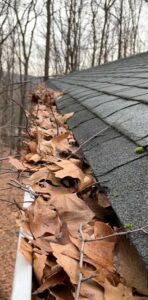
Leaves, needles, branches, and other organic debris can also accumulate in roof valleys, behind chimneys, and around drainage areas.
Appropriate roof cleaning and maintenance can help control these conditions and give homeowners an opportunity to identify developing roofing problems.
Homeowners should also avoid aggressive cleaning methods. Pressure washing asphalt shingles can damage the roofing surface and remove protective granules.
Algae and Moss Are Not the Same Thing
Dark discoloration or streaking on an asphalt roof may be caused by algae, while moss produces thicker plant growth.
The two conditions should not be treated as though they are identical.
Some manufacturers offer algae-resistant shingles or shingles incorporating materials intended to reduce algae discoloration.
If roof discoloration or biological growth is present, the appropriate treatment should depend on the roofing material and manufacturer recommendations rather than simply using the strongest available cleaner.
Asphalt Shingles Can Shed Granules
The mineral granules on asphalt shingles are an important part of the roofing product.
Newly manufactured shingles can contain excess granules that may loosen and wash into gutters after installation. Some initial granule shedding therefore does not automatically mean there is a problem with a new roof.
As shingles age, weather exposure can also contribute to granule loss.
Homeowners should pay more attention when granule loss is accompanied by other signs of deterioration, such as exposed asphalt, cracking, damaged shingles, or other visible changes to the roofing surface.
If the condition appears excessive or unusual, a roofing professional can evaluate it.
Matching an Older Asphalt Roof Can Be Difficult
An asphalt roof’s appearance changes as it is exposed to sunlight and weather.
When an older roof needs a localized repair, new replacement shingles may look different from the existing roofing because the older shingles have weathered.
Manufacturers may also change or discontinue colors and product lines over time.
For that reason, an effective repair does not always result in a perfect visual match.
The ability to obtain compatible materials is one of several factors a roofing contractor may consider when deciding whether a localized repair makes sense.
Asphalt Shingles vs. Metal Roofing
Homeowners frequently compare asphalt shingles with metal roofing.
These materials have different characteristics, and neither is automatically right for every home.
Asphalt Shingles May Make Sense When:
- Keeping the initial roofing cost lower is a priority
- The homeowner wants a large selection of colors and styles
- The home’s roof design is suitable for asphalt shingles
- Widely available roofing materials are preferred
- The homeowner wants a conventional residential roofing system
Metal Roofing May Make Sense When:
- The homeowner is considering a different long-term roofing system
- The architectural appearance of metal suits the home
- The homeowner is comfortable with the potentially higher initial cost
- Specific metal roofing features or finishes are desired
The appropriate choice depends on the particular products being compared, the home’s design, installation requirements, budget, and homeowner priorities.
Our guide on choosing the right roofing material for your home provides a broader comparison of roofing options.
Are Asphalt Shingles Energy Efficient?
Roofing can influence heat transfer, but the energy performance of a home cannot be determined from the roofing material alone.
Solar reflectance is one measurable property of a roofing surface. Some asphalt roofing products are manufactured with reflective characteristics designed to reflect more solar energy than conventional products.
However, a home’s heating and cooling needs are also influenced by:
- Attic insulation
- Air sealing
- Attic ventilation
- Building design
- Roof exposure
- Windows
- HVAC equipment
- Local climate
Homeowners therefore should not expect a roofing product alone to produce a guaranteed percentage of energy savings.
Our guide to energy-efficient roofing explains how roofing and other parts of the home can influence overall energy performance.
What About the Environmental Impact of Asphalt Shingles?
Roofing materials have environmental impacts throughout manufacturing, transportation, installation, service, and disposal.
Asphalt shingles contain asphalt and other manufactured materials, and removing an existing roof generates construction waste.
Used asphalt shingles can be recycled for certain applications in locations where appropriate recycling programs and markets exist. However, recycling availability varies by location.
A complete environmental comparison should consider more than whether a material can be recycled.
Other factors can include:
- Product manufacturing
- Transportation
- Expected service life
- Maintenance
- Repair requirements
- Local recycling availability
- Disposal practices
Homeowners interested in this issue should look at specific roofing products and local recycling options rather than relying on broad claims that one material is universally environmentally friendly.
How Much Maintenance Do Asphalt Shingles Need?
Asphalt roofs should be periodically observed for changes or damage.
Homeowners can safely check many conditions from the ground, including:
- Missing shingles
- Moss growth
- Accumulated branches or leaves
- Damaged flashing
- Debris in valleys
- Gutter problems
- Visible changes around chimneys or vents
The attic can also provide useful clues. Water staining, damp insulation, unusual moisture, or visible deterioration may indicate a problem that deserves further investigation.
Homeowners should use caution before walking on a roof. Wet, mossy, steep, or damaged roofing can create serious fall hazards.
When a problem is suspected, having the roof professionally inspected is usually safer than attempting to diagnose it while walking on the roofing surface.
What Should You Look for When Choosing Asphalt Shingles?
Not all asphalt shingles are identical.
When comparing products, consider several factors.
Product Specifications
Manufacturers offer different shingle products with different construction and performance characteristics.
Compare the actual product specifications rather than choosing solely by appearance.
Manufacturer Warranty
Read the warranty terms carefully.
Look at what is covered, the duration of different types of coverage, exclusions, installation requirements, and whether registration or other steps are required.
Contractor Workmanship Coverage
A manufacturer’s material warranty and a roofing contractor’s workmanship warranty are separate.
Homeowners should understand both before selecting a roofing system.
Installation Quality
Even a good roofing product depends on proper installation.
Important components can include:
- Underlayment
- Flashing
- Starter shingles
- Valleys
- Ridge materials
- Fastener placement
- Roof penetrations
- Ventilation
- Drainage details
The roof should function as a complete system.
Conditions Around Your Home
A house surrounded by mature trees may face different maintenance concerns than a roof exposed to full sun and little debris.
Roof orientation, shade, drainage, roof design, and other site-specific conditions can all affect the roofing system.
Asphalt Shingles: Quick Pros and Cons
Advantages
Generally affordable:
Asphalt shingles typically provide a lower initial-cost roofing option than many specialty roofing systems.
Many styles and colors:
Homeowners can choose from a wide selection of profiles, colors, and product lines.
Suitable for many residential roofs:
Asphalt shingles can be used on many steep-slope residential roofing designs when installed according to manufacturer requirements.
Widely available:
Asphalt shingles and related roofing components are broadly available.
Localized repairs may be possible:
Some damaged areas can be repaired without replacing the entire roof when surrounding conditions allow it.
Disadvantages
Performance varies by product and installation:
Choosing asphalt shingles does not by itself guarantee a particular level of performance.
Severe weather can cause damage:
Wind, hail, falling branches, and other events can damage shingles and related roofing components.
Moss and debris need attention:
Moisture, shade, leaves, needles, and other organic material can create maintenance concerns.
Older repairs may not match perfectly:
Weathering and discontinued products can make it difficult to achieve an exact color match.
Different roofing systems offer different characteristics:
Homeowners may prefer another material depending on their budget, architectural goals, maintenance preferences, and long-term plans.
Are Asphalt Shingles Right for Your Home?
For many homeowners, asphalt shingles provide a practical combination of affordability, appearance, availability, and roofing performance.
They may be particularly worth considering when you want:
- A broad range of styles and colors
- A conventional residential roofing system
- A relatively affordable initial roofing option
- Widely available products
- The possibility of localized repairs when appropriate
Another roofing material may make more sense if the home’s structure, architectural design, budget, or homeowner priorities point toward a different system.
That is why comparing roofing materials should involve more than asking which product is cheapest or which one is advertised to last the longest.
Look at the Complete Roofing System
Asphalt shingles are only the visible portion of a larger roofing system.
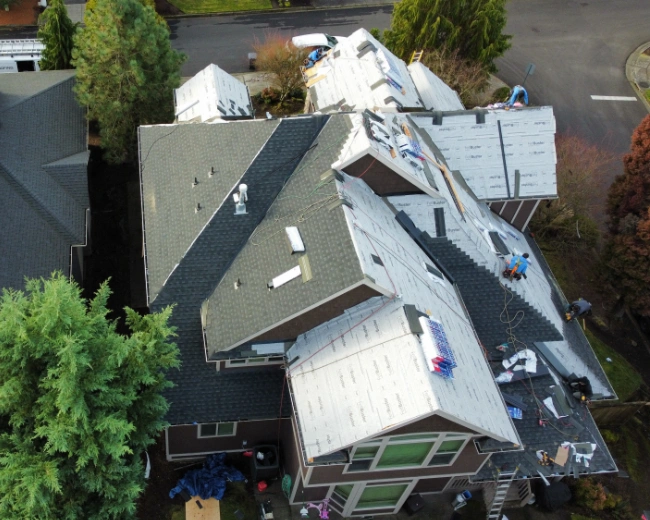
A properly functioning roof also depends on components and installation details such as underlayment, flashing, roof decking, valleys, ventilation, penetrations, drainage, and workmanship.
When comparing roofing proposals, homeowners should ask what is included in the complete system rather than basing the decision entirely on the shingle brand or the lowest project price.
J&J Roofing & Construction can evaluate an existing roof, explain available roofing options, and help homeowners determine whether roof repair or roof replacement is appropriate for the condition of their home.